Beppu Onsen Guide
🛈 This page contains affiliate links to Viator. We may earn a commission if you book through these links — at no extra cost to you.
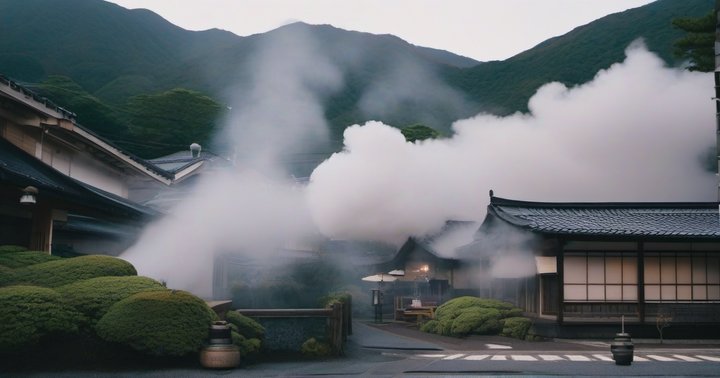
Beppu produces more hot spring water than any other city in Japan , over 130,000 tons per day. It is not one onsen but an entire city built on geothermal activity, with steam rising from drains, vents, and riverbanks everywhere you look. The experience is equal parts spectacle and soak: the famous hells are vivid, bubbling, and completely un-batheable , while hundreds of quieter baths across the city offer some of Japan's best hot spring experiences.
This guide covers the 8 hells, the sand bath experience, ryokan recommendations, and how to navigate Beppu's sprawling onsen landscape. Whether you have one day or three, Beppu rewards slow exploration over checklist tourism.
you are sensitive to strong sulfur smells , some of Beppu's hells and baths have a distinct volcanic odor that permeates clothing. The smell is harmless but can be overwhelming for visitors who are not accustomed to geothermal areas.
The 8 Hells of Beppu (Jigoku Meguri)
The hells are Beppu's most famous attraction , eight geothermal pools too hot for bathing, each coloured and behaving differently depending on mineral content and underground pressure. The most memorable are:
Umi Jigoku (Sea Hell) , A vivid cobalt-blue pool 200 metres deep, steaming at 98°C. The colour comes from iron sulphate in the water. A small shrine and greenhouse with tropical plants sit beside the pool. The onsen-steamed eggs sold at the entrance are a local specialty.
Chi-noike Jigoku (Blood Pond Hell) , Rust-red, bubbling mud at 78°C. The colour is natural iron oxide, giving the pool an otherworldly appearance. This is the oldest natural hell in Japan, recorded over 1,300 years ago. An adjacent footbath uses the cooled mineral water.
Tatsumaki Jigoku (Geyser Hell) , A geyser that erupts every 30-40 minutes, shooting water 20-30 metres into the air. A stone cap restricts the natural pressure, which would otherwise spray continuously. Check the schedule when you arrive so you do not wait unnecessarily.
Shiraike Jigoku (White Pond Hell) , A milky-white pool of boric acid and silica, surrounded by a Japanese garden. Less crowded than Umi Jigoku and particularly photogenic in the morning light. A small aquarium on-site keeps tropical fish in geothermally-heated tanks.
The remaining hells , Oniishibozu (bubbling grey mud resembling monks' shaved heads), Yama (mountain animals and a small zoo), Kamado (multiple coloured pools and a demon-themed entrance), and Oniyama (crocodile breeding using geothermal heat) , each add variety to the circuit.

Beppu 8 Hells Full-Day Tour
Visit all 8 hells with an English-speaking guide. Includes transportation between the two hell areas, entry tickets, and a traditional steamed lunch cooked in geothermal heat.
Check AvailabilitySand Baths , Beppu's Unique Experience
Sand bathing (suna-yu) is Beppu's most distinctive onsen experience. You lie in a shallow pit while attendants shovel hot volcanic sand over your body , the weight and heat (40-45°C) is unlike any water bath. The sand is naturally heated by geothermal steam rising from below.
The most famous sand bath is at Takegawara Onsen, an historic wooden bathhouse built in 1879. The sand bath costs ¥1,030 and includes a yukata rental. Arrive before 9:00 AM to avoid long waits , only 8-10 people can be buried at a time, and tour groups fill the morning slots.
Beppu Kaihin Sunayu near the waterfront offers a more modern sand bath with ocean views. Less crowded than Takegawara and accepts walk-ins more readily.
you have high blood pressure, are pregnant, or cannot tolerate being partially immobilized under weight for 15-20 minutes. The heat and pressure combination can be intense. Tell the attendant immediately if you feel dizzy.
Ryokan & Bathing Recommendations
Suginoi Hotel , Beppu's largest resort with a multi-level terraced outdoor bath overlooking the bay. The infinity-edge design makes you feel suspended over the city. Open to non-guests for day bathing (¥1,500-2,500). The night view of Beppu's city lights from the bath is the best in town.
Kannawa Onsen area , The oldest bathing district, clustered around the hells. Dozens of small public baths (¥100-300) are used by locals daily. Hyotan Onsen is the standout , multiple pools of varying temperatures, a waterfall bath, and a sand bath area. Open from 9:00 AM to 1:00 AM.
Myoban Onsen , A hillside area 15 minutes from central Beppu known for its thatched-roof bathhouses and yunohana (sulfur crystal) production. The milky-white sulfur water is completely different from the clear sodium chloride of Kannawa. Worth the trip for the traditional architecture alone.
Beppu Ryokan Stay with Private Onsen
Overnight ryokan experience with kaiseki dinner, private outdoor bath, and guided visit to the 8 hells the following morning.
Check AvailabilityGetting to Beppu
From Tokyo: fly to Oita Airport (1h 40m, approximately ¥15,000-25,000) then take the airport bus to Beppu (40 minutes, ¥1,550). From Fukuoka: the Sonic limited express train takes 2 hours from Hakata Station (¥5,690, covered by the JR Pass). From Kyoto/Osaka: the Shinkansen to Kokura then transfer to the Sonic , total journey 4-5 hours.
Within Beppu: the city bus network connects the two hell areas and major baths. A one-day bus pass costs ¥900 and covers all hells. Taxis are affordable for short hops between baths. Most ryokan offer shuttle service from Beppu Station.
Official tourism information: Japan National Tourism Organization. Local resources: Beppu City Official Site.