How I write these reviews
I have visited more than 60 onsen towns across Japan. Not "researched online" visited — actually soaked, shivered in the cold hallway after the bath, eaten breakfast in a yukata, been politely corrected on towel etiquette, and sat in outdoor rotenburo while snow fell on my shoulders. Most onsen review sites are written by tourists who visited one ryokan. I have made this my life, from Hokkaido's sulfur springs to Kyushu's volcanic mud baths, and I write for people who want the honest, unvarnished version — not the brochure. For bathing rules and recognised facilities I cross-check Japan National Tourism Organization. Also: Japan Onsen Association for official water-quality standards and facility certifications.
My rule is simple: if I would not send my own mother there, it does not get a recommendation, no matter how much commission the link pays. That means I rate cleanliness, water quality, and the honesty of the staff above everything else. I have walked out of famous ryokan because the outdoor bath had algae growing on the rocks, and I have given five-star ratings to a tiny family-run sento in a Kumamoto backstreet where the owner remembered my name six months later. The rankings reflect what I would book myself.
What makes a great onsen
Not all hot springs are the same. The water itself tells the first story. Alkaline springs feel silky on the skin — Hakone and Kusatsu are famous for these, and they earn the Japanese nickname "bijin no yu," the beauty bath. Sulfur springs smell like rotten eggs but are legendary for their medicinal properties, especially for skin conditions and joint pain. Iron-rich springs run reddish-brown and taste metallic; they are less common but deeply warming. Simple thermal springs are the most abundant — no distinctive smell or colour, just pure, natural heat.
Tattoo policies matter more than most guidebooks admit. Many traditional onsen still ban tattoos outright, a holdover from their historical association with organised crime. The landscape is changing, though — a growing number of onsen now accept small tattoos that can be covered with a patch, and the best solution for heavily tattooed visitors is a kashikiri buro, a private bath you can reserve by the hour. I note tattoo policies in every review because nobody should find out at the changing-room door.
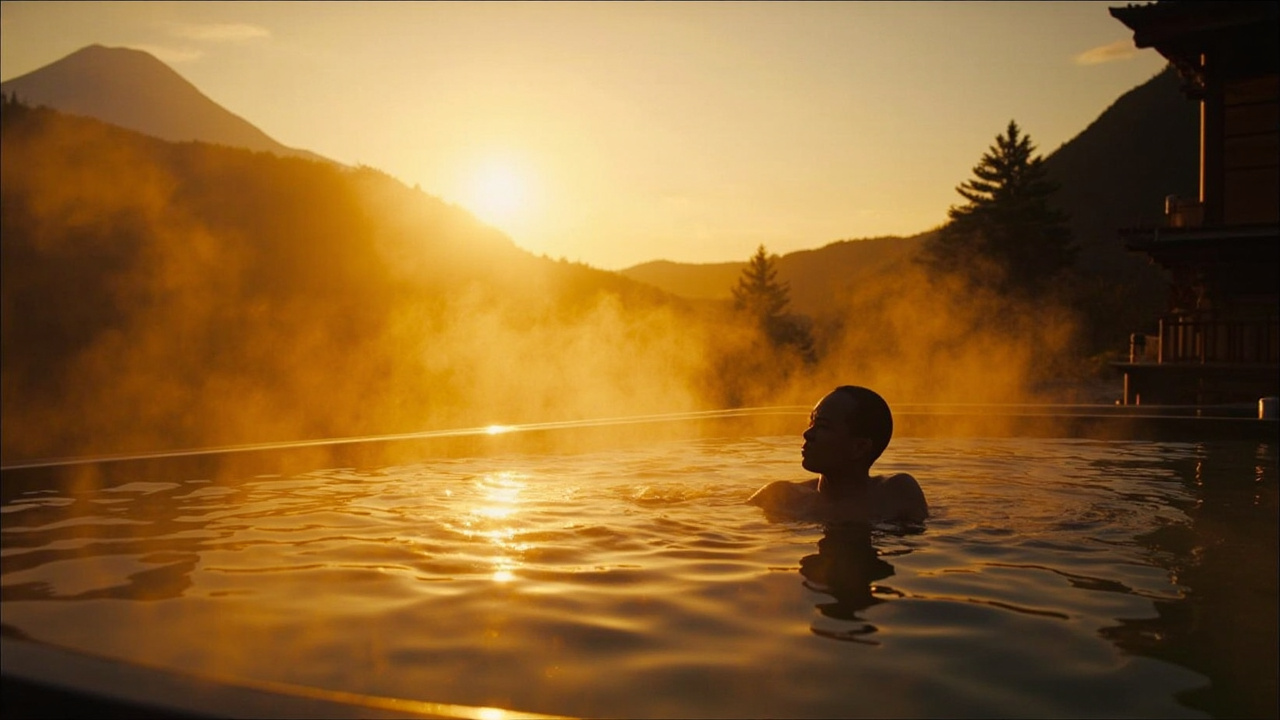
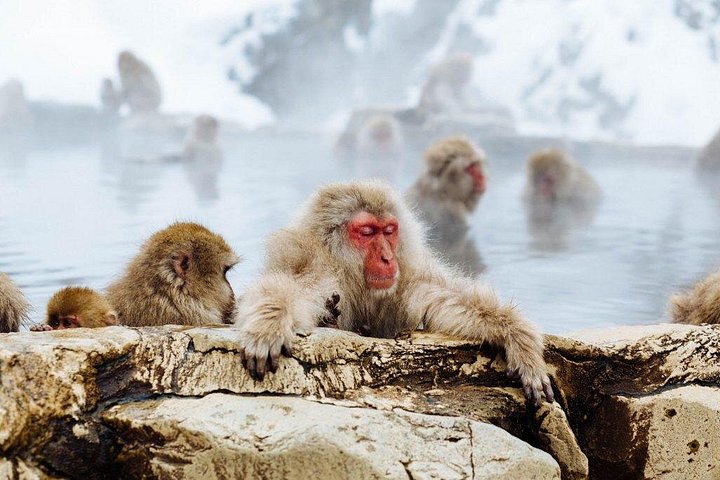
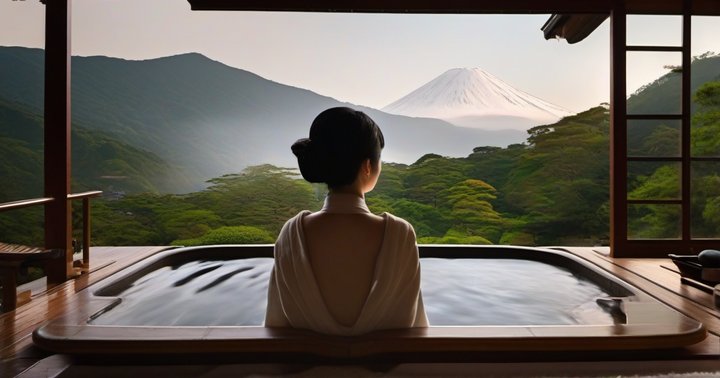
A great onsen is as much about the setting as the water. The finest have a rotenburo, an outdoor bath, ideally with a view of mountains, forest, or the sea. Winter in Hokkaido means soaking in near-boiling water while snow piles up on the rocks around you. Autumn in Hakone means vermillion maple leaves drifting onto the surface. Even in summer, a high-altitude onsen in Kusatsu offers cool mountain air and the sharp scent of sulfur.
Skip this if
Skip onsen culture if you are genuinely uncomfortable being naked around strangers. Shared bathing is the norm and there is no way around it without booking a private bath or a room with an en-suite onsen. Skip it if you cannot sit still for twenty minutes doing nothing but soaking — onsen are about stillness, not stimulation. Skip it if you have large visible tattoos and have not researched tattoo-friendly facilities ahead of time; showing up unannounced at a strict no-tattoo bath will end in embarrassment and a refund. Skip it if you are on a tight schedule — a proper onsen visit takes two to three hours minimum, longer if you stay for a meal, and rushing the experience defeats the purpose.
Pick your onsen region
Choose by the water, landscape, and pace you want — not simply by the town with the most famous name. These regions offer very different versions of Japanese bathing culture, from convenient mountain ryokan near Tokyo to intensely mineral volcanic springs farther north and south.
Kanagawa · Fuji-Hakone-Izu
Hakone
Affiliate disclosure: This site contains affiliate links. We may earn a commission when you book through our Viator links (PID=P00299531), at no extra cost to you.
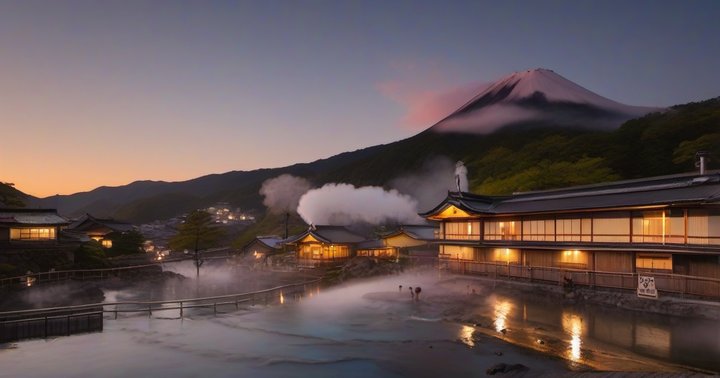
Hakone is the easiest introduction to a ryokan stay from Tokyo. Its districts draw from different spring sources, so the water can vary from clear and gentle to milky or mineral-rich. Stay overnight, reserve a private bath if needed, and choose a ryokan away from the busiest station areas for a quieter experience.
Browse Hakone tours →
Oita · Kyushu
Beppu
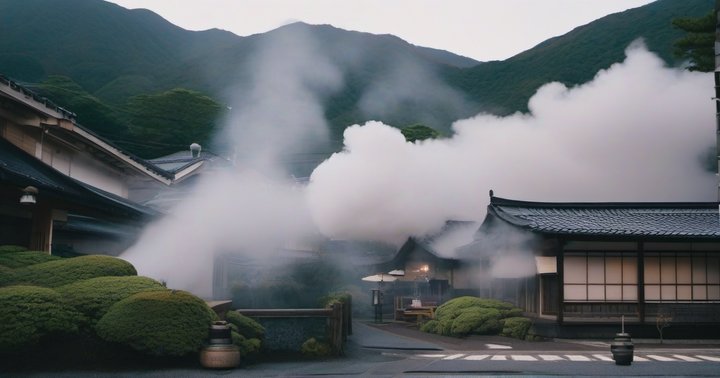
Beppu is not one hot-spring neighbourhood but a collection of distinct onsen areas known as the Beppu Hatto. Beyond ordinary baths, you can experience steam baths, mineral mud, and naturally heated sand. Kannawa is my choice for old lanes, rising steam, and cooking with geothermal vapour.
Browse Beppu tours →
Gunma · Joshinetsu Highlands
Kusatsu
Kusatsu's strongly acidic, sulfurous water is powerful and unmistakable. The steaming Yubatake sits at the centre of town, while traditional bathhouses and modern facilities surround it. The water can feel intense on sensitive skin, so begin with a short soak and rinse only if your body needs it.
Browse Kusatsu tours →
Hokkaido · Mountain Onsen
Noboribetsu
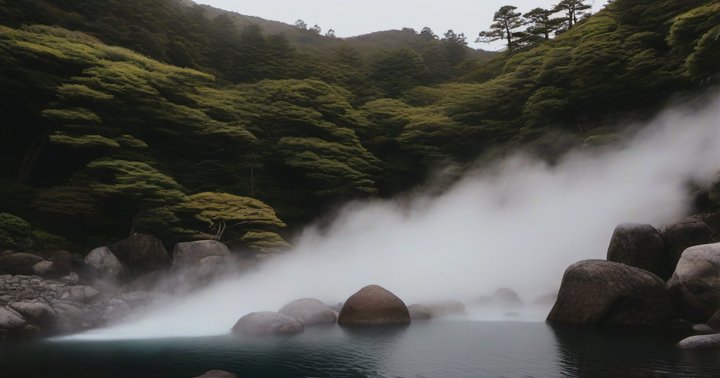
Noboribetsu is Hokkaido's most famous onsen town, set in a volcanic valley where steam vents, sulfur streams, and boiling ponds mark the landscape. Walk Jigokudani at sunset before soaking, and pick a ryokan that draws from different spring sources — the town has nine distinct water types.
Browse Noboribetsu tours →
Featured: A Private Hakone Onsen and Ryokan Experience
For a first onsen trip, I often recommend one unhurried night at a Hakone ryokan with dinner, breakfast, and a private bath. It removes the anxiety many newcomers feel about shared bathing while preserving the best parts of the experience: mineral water, tatami rooms, seasonal kaiseki cuisine, a yukata to wear to dinner, and the quiet pleasure of soaking again after the day visitors have gone home.
Private Hakone Onsen and Ryokan Stay
Best for first-time onsen visitors and couples
Choose a plan with either an in-room open-air bath or a reservable kashikiri buro. A good stay includes time to check in and settle before dinner, learning how the ryokan rhythms work, and enjoying more than one soak. Confirm whether meals are served in your room or a dining area, whether bathing fees are included, and whether the private bath uses genuine onsen water rather than heated tap water — this makes a real difference to the experience.
Compare Hakone onsen experiences
External booking on Viator · pricing and cancellations handled by Viator
Why trust me
I have visited more than 60 onsen towns across Japan, including famous resort areas and small hot-spring communities where the local bath is still part of everyday life. I pay attention to details that glossy listings often overlook: whether the changing rooms are clean, whether the bath water feels properly maintained, whether staff explain tattoo rules clearly, and whether a private bath offers genuine privacy.
I also revisit my opinions. An onsen can feel completely different during a crowded holiday afternoon than it does on a quiet winter morning. Renovations, ownership changes, and new bathing policies can improve or weaken a recommendation, so I treat every review as a record to be checked rather than a permanent verdict.
I do not recommend a place because it is famous or photogenic. If the water is poorly managed, the rules are unclear, or the staff avoid honest answers, I say so. My standard remains the same: if I would not confidently send my own mother there, it does not belong among my recommendations.